
Worker Exploitation in the Food Industry Explained
In our world, two certainties remain: everyone consumes food, and the food sector exemplifies the essence of capitalism.
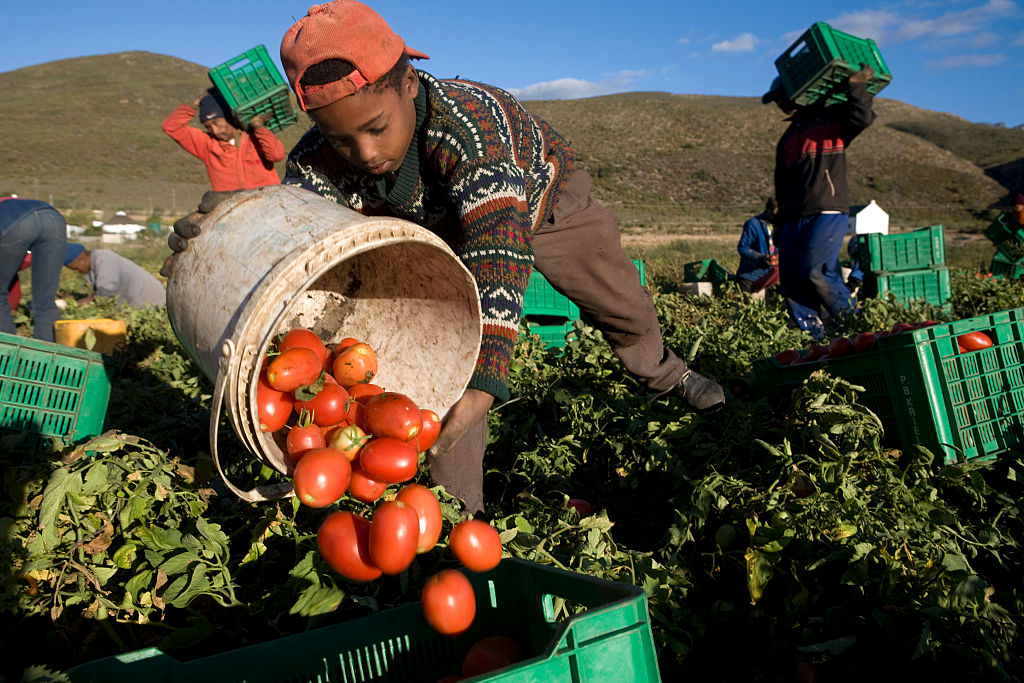
In our world, two certainties remain: everyone consumes food, and the food sector exemplifies the essence of capitalism. A recent report from the International Panel of Experts on Sustainable Food Systems (IPES-Food) delves into the deep-seated exploitation entrenched in the global food system and suggests pathways for reform. Currently, approximately 1.4 billion individuals are involved in food-related employment, translating to nearly two-fifths of the global workforce. These laborers often endure issues like inadequate wages, wage theft, forced and child labor, human trafficking, job insecurity, and various forms of discrimination and violence.
The exploitative nature of the food industry is stark, with close to 400 million food workers earning less than a living wage. Many workers operate outside formal employment structures, leading to a lack of essential protections and leaving them vulnerable to exploitation. Widespread informal labor, high risks associated with agriculture, and a significant presence of child labor further complicate the scenario.
Despite these systemic issues, efforts to organize and advocate for labor rights are growing, focusing on strengthening worker power, ensuring fair compensation, and protecting the dignity of all workers in the food supply chain.



Comments
No comments yet.