
Research Connects Van Gogh’s ‘Starry Night’ to Actual Sky from 1889
A team of scientists have traced Vincent van Gogh's celebrated painting 'The Starry Night' to an actual celestial event, proposing a significant revision to the painting's timeline.
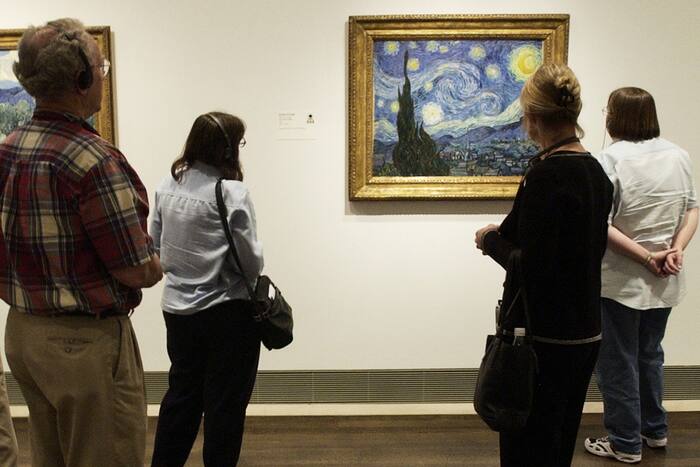
A team of scientists have traced Vincent van Gogh’s celebrated painting ‘The Starry Night’ to an actual celestial event, proposing a significant revision to the painting’s timeline. Their research supports the idea that instead of solely relying on imagination, van Gogh drew inspiration from the night sky over Saint-Remy de Provence, France, around July 22, 1889.
Led by Elijah Jeong-hyun Kim, CEO of a telescope manufacturer in Seoul, the researchers published their findings in the journal Scientific Reports. They argue that the painting, showing a crescent moon and Venus surrounded by swirling stars, was created more than a month later than the traditionally accepted June date, shortly after van Gogh arrived at the asylum, following a tumultuous period in his life. The study highlights a particular night sky matching the artwork and discusses the artistic process that may have incorporated elements from multiple nights. Despite the new insights, some experts call the July date an interesting hypothesis rather than a definitive conclusion.


Comments
No comments yet.